
By Team @SanatanaYatra
Among the Dashavatara (ten incarnations) of Lord Vishnu, the Vamana Avatar holds a unique place as the fifth incarnation, occurring in the Treta Yuga. As the first human incarnation of Vishnu, Vamana symbolizes the triumph of humility, dharma, and divine strategy over ego and ambition. This divine narrative, primarily drawn from the Vamana Purana, showcases Lord Vishnu’s compassionate yet powerful intervention to restore cosmic balance by reclaiming the heavens for the Devas from the noble but ambitious Asura king, Mahabali.
Vamana Jayanti 2025: Date and Timings
Vamana Jayanti in 2025 will be celebrated on Thursday, September 4. The auspicious timings for the festival, as per the Hindu calendar for New Delhi, are as follows:
- Dwadashi Tithi Begins: 04:21 AM on September 4, 2025
- Dwadashi Tithi Ends: 04:08 AM on September 5, 2025
- Shravana Nakshatra Begins: 11:44 PM on September 4, 2025
- Shravana Nakshatra Ends: 11:38 PM on September 5, 2025
Note: Timings may vary slightly based on location. Devotees are advised to check local panchang for precise muhurat. The significance of Vamana Jayanti is amplified when it coincides with the Shravana Nakshatra, making 2025 an especially auspicious year for worship.
The Legend of Vamana Avatar
Background: The Rise of King Bali
King Mahabali, the grandson of the devout Prahlada and son of Virochana, was a virtuous and generous Asura king. Unlike typical Asuras, Bali was noble, just, and deeply loved by his subjects. Through intense penance, he pleased Lord Brahma and received a boon of invincibility in battle. Empowered by this boon, Bali conquered the three worlds—Earth, Heaven, and the Netherworld—defeating Indra and driving the Devas out of heaven. Despite his conquests, Bali’s rule was marked by fairness and prosperity, earning him widespread admiration.
However, the Devas, distressed by their loss, sought divine intervention. Aditi, the mother of the Devas, was particularly grieved by Indra’s plight. She performed a rigorous penance for 10,000 years to invoke Lord Vishnu’s aid. Pleased by her devotion, Vishnu promised to restore the heavens to the Devas.
The Birth of Vamana
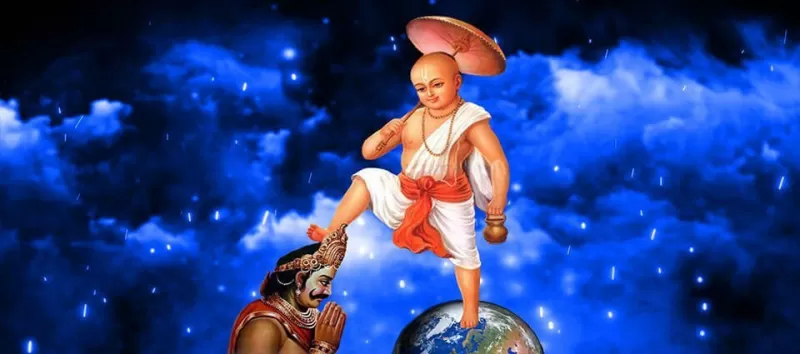
When Aditi became pregnant with Vishnu’s incarnation, the earth trembled under the weight of the divine fetus, tilting wherever she went. This phenomenon alarmed Bali, who consulted his grandfather, Prahlada. Through meditation, Prahlada foresaw that Vishnu would be born as Aditi’s son to challenge Bali’s rule. When Bali, in his arrogance, insulted Vishnu, Prahlada cursed him, predicting the loss of his kingdom for disrespecting the Supreme Lord. Soon after, Vishnu incarnated as Vamana, a humble Brahmin boy of diminutive stature, carrying a kamandalu (water pot) and a wooden umbrella.
The Divine Test at Bali’s Yajna
During a grand yajna (sacrificial ritual), Bali announced he would grant any wish to those who asked. Vamana arrived at the ceremony and humbly requested three paces of land measured by his small feet. Bali, known for his generosity, agreed despite warnings from his guru, Shukracharya, who suspected Vamana’s divine identity.
As Bali prepared to seal the vow by pouring water from the kamandalu, Shukracharya, in a miniature form, blocked the nozzle to prevent the ritual. Vamana, recognizing the trick, inserted a stick into the nozzle, accidentally piercing Shukracharya’s eye, leaving him blind in one eye.
Vamana’s Cosmic Form: Trivikrama
With the vow sealed, Vamana transformed into his colossal Trivikrama form, encompassing the cosmos. In his first step, he covered the entire Earth. With his second step, he spanned the Heavens. With no space left for the third step, Bali, realizing Vamana was Vishnu himself, humbly offered his head. Vishnu placed his foot on Bali’s head, gently pushing him to Patala (the netherworld). Pleased by Bali’s devotion and generosity, Vishnu granted him sovereignty over Patala and immortality, allowing him to return to Earth annually. This event is celebrated as the Onam festival in Kerala, marking Bali’s visit to his beloved subjects.
Without Bali’s leadership, the Asuras weakened, and Indra reclaimed the heavens, restoring cosmic balance.
Why Did Vishnu Deceive the Noble Bali?
Though Bali was a righteous and generous king, several factors justified Vishnu’s actions:
- Aditi’s Boon: Vishnu was bound by his promise to Aditi to restore the heavens to the Devas. Instead of slaying Bali, Vishnu chose a non-violent approach, honoring Bali’s virtues by sparing his life and granting him dominion over Patala.
- Bali’s Hidden Motives: Some versions of the story suggest Bali, influenced by Shukracharya, sought to undermine devotion to Vishnu. Shukracharya, harboring enmity toward Vishnu due to a past incident involving his mother’s death, advised Bali to subtly erode Vishnu’s worship through prosperity and generosity. Vishnu’s deception countered Bali’s indirect challenge to divine order.
- Brahma’s Boon: Bali’s invincibility in battle, granted by Brahma, made direct confrontation impossible. Vishnu’s strategy as Vamana cleverly circumvented this boon.
- Prahlada’s Curse: Bali’s insult to Vishnu incurred Prahlada’s curse, foretelling the loss of his kingdom, which Vishnu fulfilled.
Spiritual Significance of Vamana Avatar
The Vamana Avatar imparts profound spiritual lessons:
- Humility Over Ego: Vamana’s diminutive form and Bali’s eventual surrender highlight that true greatness lies in humility, not pride.
- Triumph of Dharma: Vishnu’s intervention restored cosmic balance, ensuring dharma prevails over adharma.
- Power of Charity: Bali’s generosity, even in defeat, earned him eternal fame and divine blessings.
- Vishnu’s Compassion: Rather than destroying Bali, Vishnu honored his virtues, showcasing divine mercy.
Worship and Festivals
- Vamana Jayanti: Celebrated on Shukla Paksha Dwadashi in the month of Bhadrapada (September 4, 2025), devotees honor Vamana through prayers, fasting, and Panchopachara or Shodashopachara puja. Offerings include flowers, incense, sandalwood, tulsi leaves, fruits, and sweets. Reciting Vishnu Sahasranama and narrating the Vamana Katha in the evening are integral rituals, followed by breaking the fast with prasad. Donations of rice, curd, and mishri are considered highly auspicious.
- Onam Festival: In Kerala, Onam commemorates Bali’s annual return, celebrated with feasts, pookalam (floral designs), Vallam Kali (boat races), and cultural events, reflecting his golden rule.
- Sacred Sites: Vishnu temples in Kerala, Ujjain, and Tirupati hold special significance for devotees of Vamana.
The Vamana Avatar is a timeless tale of divine wisdom, humility, and the restoration of cosmic order. Through his unassuming form, Vishnu not only reclaimed the heavens but also immortalized King Bali as a symbol of generosity and devotion. The story reminds us that true strength lies in surrender to dharma and that divine justice, tempered with compassion, ensures balance in the universe. As we celebrate Vamana Jayanti on September 4, 2025, or Onam, let us embrace the values of humility, charity, and devotion exemplified by this divine incarnation.
Join us at Sanatana Yatra for more stories of dharma and devotion from the heart of our ancient traditions.